

How to Boost Confidence When Dealing With Hair Thinning and Loss
Last updated on
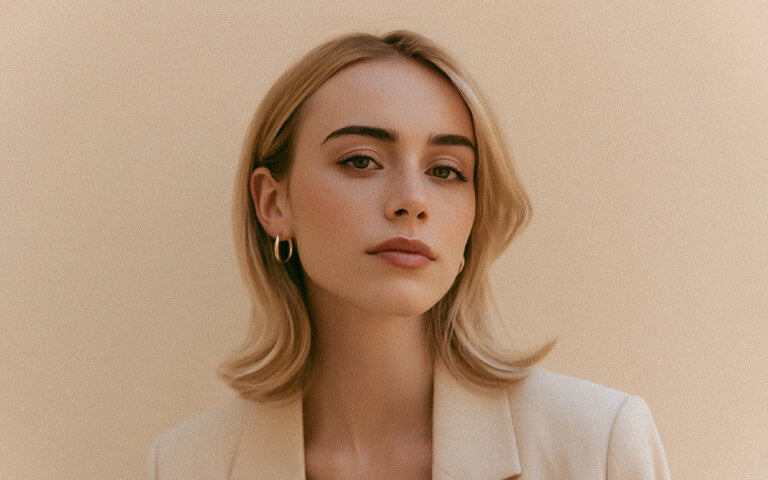
For many of us, our hair is a comfort blanket, and on a good hair day, it can boost our confidence. Unfortunately, many women can experience hair thinning and loss, which massively knocks their self-esteem. According to research, around 8 million women in the UK are currently affected by hair loss. Additionally, keyword research shows that ‘female hair thinning’ gains an average of 6,000 searches per month in the UK, and ‘female hair loss’ gains around 1,600.
In this blog, we’ll discuss the key causes of female hair thinning and loss, and share tips and advice on how to prevent this condition and increase your confidence.
Reasons for female hair thinning and loss
Hormonal Changes
As hormones play a crucial role in the hair growth cycle, hormonal changes are a common cause of hair thinning and loss in women. Some examples of this include a drop in oestrogen and progesterone, which happens after childbirth, during menopause, and with conditions such as PCOS and thyroid imbalance, quickening the hair shedding cycle, leading to hair thinning and slower regrowth.
Stress
Stress and anxiety are huge causes of hair loss in women. Usually, three different types of hair loss occur:
-
Stress can push a large number of hair follicles into the resting (telogen) phase of the hair growth cycle prematurely, stopping them from growing, which is often due to stress hormones, particularly cortisol. This type of hair loss is known as telogen effluvium.
-
Physical symptoms from chronic stress can affect the immune system, which can contribute to autoimmune hair loss, like alopecia areata, and appear as sudden patchy hair loss.
-
Behavioural habits as a result of stress can cause hair loss, such as hair pulling (known as trichotillomania) and neglecting nutrition due to loss of appetite.
Lifestyle
A range of lifestyle factors can cause hair loss, from lack of sleep (disrupts hormone balance) and smoking (reduces blood flow to hair follicles) to excessive alcohol consumption (leads to nutrient deficiencies and dehydration).
Poor diet and nutritional deficiencies are common causes of hair loss. Crash diets, restrictive eating and low protein can all result in thinning hair, due to a lack of key nutrients for hair growth, a sudden nutrient imbalance, and potential rapid weight loss that can trigger stress. Iron, Vitamin D and B12 and extreme diet trends such as keto, can all cause excessive shedding, weakened hair follicles, and temporary hair loss.
Lack of sleep can also affect hair growth, as it can increase the stress hormone cortisol, which can prematurely push the hair follicles into the resting phase. Hormones like melatonin, which promotes hair growth, are also disrupted. Poor sleep also interferes with the body's ability to regenerate cells, including hair follicles.
Smoking can increase hair loss and thinning as nicotine constricts blood vessels in the scalp, reducing blood flow to the hair follicles and limiting the delivery of oxygen and essential nutrients.
Medical conditions and medication
Certain illnesses and medications can cause hair loss, with factors such as hormonal changes, a weak immune system, and cell damage interfering with hair growth.
Some common illnesses that can affect hair growth and cause thinning or hair loss include:
-
Thyroid disorders: Hormonal imbalances affect the hair growth cycle
-
Chronic illness or infection: Physical stress diverts energy from hair production to healing
-
Polycystic ovary syndrome (PCOS): Elevated androgens (male hormones) cause hair thinning
-
Diabetes: Poor circulation and hormonal changes weaken the hair
-
Autoimmune disorders: The immune system attacks hair follicles
-
Anaemia: Low oxygen delivery to follicles limits hair strength and growth
Some common medications that may affect hair growth include:
-
Chemotherapy: Targets rapidly dividing cells, including hair follicles
-
Blood thinners: Affect nutrient supply, which can cause telogen effluvium
-
Beta blockers: Can slow blood flow to the scalp, altering hair cycle regulation
-
Antidepressants and anti-anxiety medication: Can alter the balance of neurotransmitters such as serotonin and norepinephrine, which can directly impact the function of hair follicles, affecting the hair growth cycle.
-
Hormonal medications: Changes in oestrogen or androgen levels can result in shedding
-
Retinoids (vitamin A derivatives): Excessive Vitamin A can push hair into the shedding phase
Please note, hair thinning and loss can be an uncommon side effect for many of these medications, and it can often depend on the dosage and type of medication used.
Poor haircare
Damaged hair, whether it’s heat damage from styling tools or chemical damage from bleaching and dyeing, is a common cause of hair loss and thinning..
Heat and chemical damage are common causes of hair thinning, as many of us use heat on our hair daily and dye or bleach it often. Heat damage dries the hair out, weakening it, while chemical damage strips natural oils and damages the hair cuticle.
Many daily hair habits can cause more damage than you might have realised. Simply brushing the hair too harshly or towel drying can result in hair thinning and loss, as hair stands can physically snap. Even putting your hair up in a ponytail or braids too tightly can cause traction alopecia because of the repeated pulling motion. Overwashing and using shampoos with harsh chemicals can also weaken and dry the hair out.
Genetics and ageing
Genetic hair loss, also known as androgenetic alopecia, happens due to the hair follicles being sensitive to a hormone called dihydrotestosterone (DHT) and is usually inherited from one or both parents. DHT causes the hair follicles to shrink over time, resulting in finer, shorter hairs until growth stops completely.
Ageing also naturally affects hair growth. Our hair follicles produce weaker strands, pigment cells decline, and our hair growth slows as we get older, leading to more fragile, thinner hair. Additionally, we experience reduced oil circulation and production, resulting in a drier scalp that can also affect hair growth.
Environmental factors
Certain environmental conditions can affect hair health and contribute to breakage, dryness, and hair loss. If exposed to the sun for too long, its UV rays can weaken the hair shaft as well as fade colour and damage keratin, a fibrous protein that forms strong bonds within hair strands. Pollution and airborne particles such as dust, dirt, and smoke can also cause hair damage and thinning as they can clog hair follicles and irritate the scalp. However, we tend to have more hair in summer due to the extra sunlight and an increase in the melatonin hormone, which supports hair growth.
Whereas, during autumn and winter, the cold and dry weather can strip moisture from the hair, making it brittle and resulting in breakage. Additionally, cold temperatures can reduce blood flow to the scalp, restricting nutrient delivery to hair follicles and slowing down hair growth. Reduced sunlight in autumn and winter can also lower vitamin D levels, which are crucial for hair growth.
Signs of hair loss in women
It can be difficult to tell whether shedding hair is a normal amount or not. Below are some common signs of hair loss that can help you determine this:
-
Thinning hair, especially over the crown and top of the scalp
-
Less hair volume
-
The central part of the hair (parting) is becoming wider and more visible
-
The scalp is becoming more visible through the hair
-
Increased hair shedding, often noticeable on the pillow, brushes or shower drain
-
Receding hairline
-
Brittle hair that breaks easily
-
Experiencing an itchy or painful scalp
-
Noticing patchy or circular bald spots
If you’re concerned about hair loss and what is causing it, or are distressed by these signs, you can consult a doctor.
How to prevent hair loss
Unfortunately, hair loss sometimes can’t be prevented, especially if it’s caused by medical conditions or essential medication that can’t be avoided. However, there are some ways to help prevent general hair loss, minimise damage, and encourage healthy growth.

Minimise heat
As applying excessive heat can result in thinning and hair loss, limit the use of hairdryers, straighteners and curlers where possible.
Of course, using heat every now and then is okay, but excessive use will damage the hair. To achieve curls without heat, try using a heatless curler or lowering the temperature on the styling tools. The required temperature will depend on your hair type and condition, but a recommended heat for dyed or bleached hair is between 110 and 150 degrees. Letting your hair dry naturally can also help prevent heat damage.
You should also always use a heat protectant spray whenever using hot styling tools, as it creates a protective layer on the hair follicle, making it harder for heat to penetrate.
Avoid products with harsh chemicals
Certain chemicals in hair products, such as shampoos, do more harm than good. Some of the main culprits include:
-
Sulfates: Harsh detergents, such as Sodium Lauryl Sulfate (SLS) and Sodium Laureth Sulfate (SLES), create a lathering effect in shampoos and remove dirt and oil. They are almost too effective for cleaning, as they strip the hair and scalp of natural oils and leave it brittle, dry and frizzy.
-
Parabens: These are often used in hair products such as shampoo and conditioner as preservatives to prevent the growth of bacteria. However, certain parabens, such as propylparaben, can disrupt hormonal balance, therefore affecting hair growth.
-
Silicones: Silicones such as silicone rubber and polydimethylsiloxane (PDMS) are synthetic polymers. These are often found in conditioners, heat protectants, serums, and styling creams. They are designed to coat the hair to create a frizz-free, silky smooth texture. However, they can build up on the hair, preventing moisture, leaving hair dry and brittle, and increasing the chances of snapping.
As well as the chemical ingredients found in many day-to-day hair products, harsh chemicals from bleach and dye can also result in hair loss or thinning. Try to avoid these chemicals and opt for natural, chemical-free products, such as using pure argan oil as a serum or semi-permanent or ammonia-free dye.
Be gentle with hair
Avoid brushing the hair whilst it is wet, when it's at its most fragile state and susceptible to stretching and snapping. Wait until the hair is dry, or use a brush designed for wet hair.
It’s also beneficial to avoid towel drying hair as the rough motions create friction that can cause split ends and breakage. Instead, gently dry the hair using a t-shirt or microfiber towel, or simply let it air dry.
When wearing your hair up, avoid tying it too tightly. A slicked-back ponytail looks incredible, but it can damage your hair due to the tight pulling motion. Doing this now and then is okay, but wearing tight styles every day could result in hair thinning and loss.
Have a healthy, balanced diet
Certain nutrients are amazing for keeping hair healthy and preventing thinning and loss. Some of the key nutrients for hair include:
-
Protein: Essential for hair strength, protein is found in eggs and lean meats.
-
Vitamin A: Helps protect follicles and moisturises the scalp by producing sebum. This is often found in carrots and spinach.
-
Vitamin C: An antioxidant which helps the body produce collagen and absorb iron. Vitamin C is often found in berries and citrus fruits.
-
Vitamin D: Can create new hair follicles and is often found in fatty fish and eggs.
-
Vitamin E: This antioxidant helps to prevent oxidative stress and can be found in nuts, seeds and avocados.
-
Iron: Supports hair growth and oxygen-circulation and is found in spinach and red meats.
-
Biotin: Aids in the production of keratin. Biotin can be found in eggs, nuts and seeds.
-
Folate: Supports hair growth and is found in leafy greens and beans.
-
Omega-3: A fat that supports scalp health and hydration, which is present in fatty fish like salmon.
Having a healthy, balanced diet, filled with key nutrients in the right amount, not only helps your body stay healthy, but your hair too.
Have a haircare routine
Implementing a healthy haircare routine can really make a difference to your hair quality, as it can promote scalp health, reduce damage, boost circulation and prevent breakage. Below is an example of a healthy hair care routine:
-
Wash your hair 2-3 times a week. Any more than this can strip the hair of natural oils, and any less can block follicles. Be sure to use a sulphate-free shampoo and condition every time you wash your hair.
-
Protect the scalp by using a serum with growth-supporting ingredients such as caffeine. Gently massaging this into the scalp daily will stimulate blood flow, allowing follicles to get a better supply of nutrients.
-
Let hair air dry, avoiding heat and towel drying. Use a wide-tooth comb or a brush made for wet hair when brushing.
-
Trim your hair regularly, every 8-12 weeks, to remove split ends.
Following these steps can keep your hair healthy and reduce the risk of hair loss.
How to improve confidence when experiencing hair loss
Dealing with hair loss and thinning can affect anyone's self-esteem and even disrupt romantic relationships. Below are some ways to boost your confidence when experiencing hair loss:
Hair extensions and wigs
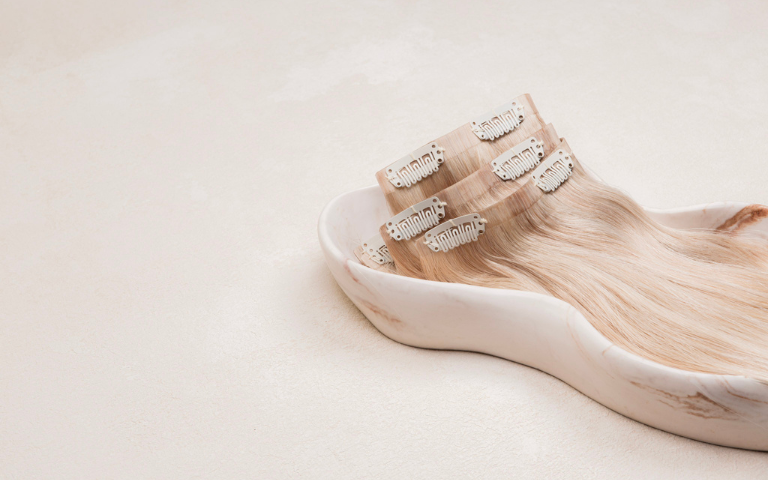
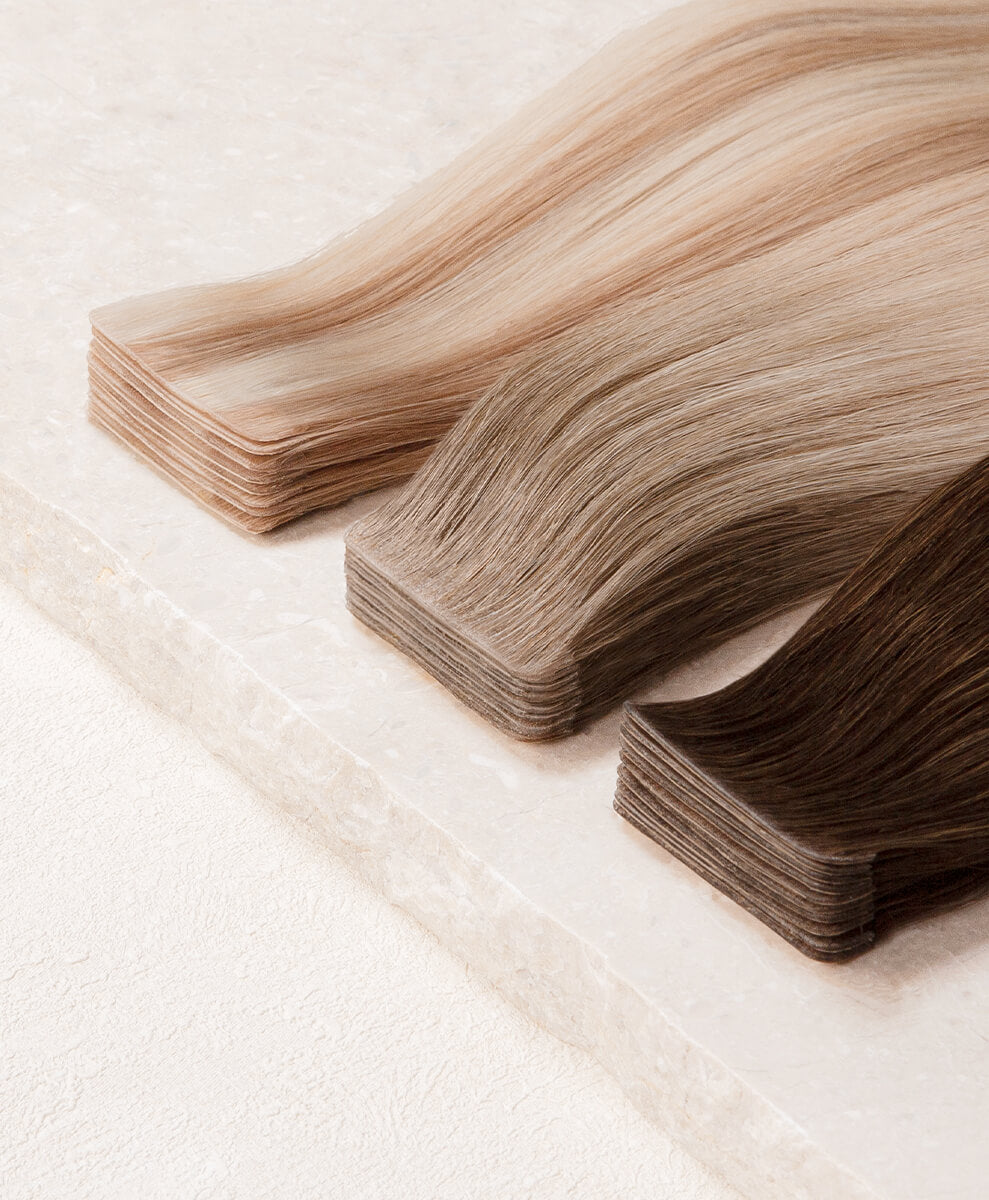
To thicken hair out and add length, a go-to for many is wearing hair extensions. A big tell of thinning hair is the lack of volume and fullness, which extensions help disguise through strategic placement. Of course, your natural hair health is very important, so opting for a gentler option like tape-in or clip-in extensions can prevent further damage. It appears that many people dealing with this issue turn to hair extensions, with an average of 1,600 monthly Google searches for ‘hair extensions for hair thinning’.
Wigs are another option for boosting confidence when experiencing hair loss, and can also provide self-expression. With a wig, you’re not limited to one certain style or colour, you can experiment, keep up with trends, and have fun with it!
Hair makeup and accessories
If you want to disguise thinning areas or bald spots, try hair makeup such as root touch-up powder or hair-building fibres. Think of it like eyeshadow for your scalp! Simply find a shade that matches your hair colour, and apply it to any areas where you can see the scalp. You could even use any eyeshadow you already own that matches your hair shade.
Hair accessories can also be a great way to disguise thinning areas and boost confidence. Headbands, clips, and scarves can cover any bald spots and allow you to try out fun and unique styles.
Experiment with new hairstyles and looks
Certain styles can help make thinning hair appear fuller. A pixie cut can help make the hair appear fuller due to the added texture and movement, choppy layers can also achieve this, or you could even opt for a buzzcut, so you don’t have to disguise any hair loss!
Not only can changing your hairstyle empower you, but changing your overall image can too. Why not opt for a bold new look with bright colours and makeup, or a darker alternative style? Whatever gives you a confidence boost and makes you feel good is worth doing!
Embrace your changing hair
Owning your hair loss can be extremely empowering and freeing! Reframing your mind and thinking of your hair loss as part of you, rather than losing part of yourself, can help you to accept it and gain confidence. Of course, this can take time and be difficult, but confidence grows when you accept change. Make it part of your unique style!
Seek support
Dealing with hair loss can be extremely challenging. To help deal with the physical impact of hair loss and thinning, be sure to seek support, whether it’s in the form of therapy, opening up to family and friends, or joining support groups. Being around people who understand or are going through the same experiences can make you feel heard and empowered. As well as support groups, following influencers on social media who are open about their experiences with hair loss can help you to feel more confident and accepting.
Hair loss is unfortunately quite common in both men and women and can be caused by a wide range of different factors.. Understandably, this issue can be challenging to deal with, but we hope these tips help you embrace your beauty and find your confidence, whether that's through disguising thinning hair or owning it.