

Do Hair Extensions Damage Your Hair? Hair Growth Myths Busted
Last updated on
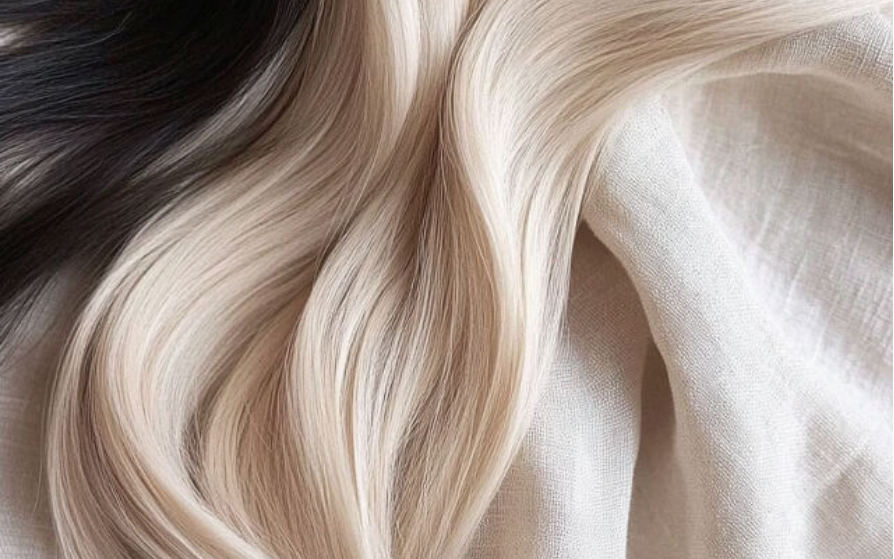
Hair extensions are often surrounded by myths. From the idea that they can damage your natural hair to claims that they stop it from growing altogether. But how much truth is there behind these concerns? We spoke to professional hair extensionist, Hannah, owner of Crear Hair & Beauty, to separate fact from fiction, exploring how extensions can affect your natural hair, the importance of correct application and maintenance, and what you can do to keep your hair healthy while wearing them.
One of the biggest myths is that hair extensions ruin your natural hair. From your professional experience, is that true? What actually causes damage when it does happen?
Hair extensions themselves won’t, but being fitted incorrectly or poor maintenance absolutely will!
From a technician’s side, hair extensions need to be fitted with clean sections, no cross hairs, enough natural hair in the bond, and the right method and amount for that person’s natural hair starting point (regardless of ideal desired outcome). If this isn’t adhered to, clients will likely experience breakage, discomfort and tension spots. It’s so Important to find the right technician who actually cares about your hair and their work.
I will caveat, though, if a client hasn’t come in for maintenance during the recommended period of time and isn’t looking after their hair at home (e.g. not drying fully at the roots), then this can also cause breakage, excessive shedding, and matting. If you and your technician do it correctly, you shouldn’t have any issues!
Some people believe wearing extensions stops their natural hair from growing. Can extensions actually affect hair growth, or is this a misconception?
Again, I wouldn’t say hair extensions themselves stop hair from growing, but one thing I do see is because your hair looks great with the extensions in, mainly when you have them for length, it’s easy to forget about looking after your natural hair underneath.
If a client has quite broken hair anyway or has bleached their hair - if they’re not using products to support that, or having trims in between refits, then the split ends tend to split further and further up the hair and eventually snap off. This means that you never get any real growth. Never skip a haircut for your natural hair, it helps so much.
Have you seen clients whose natural hair has become healthier or grown longer while wearing extensions? If so, why do you think that happens?
Yes, all the time! It’s one of my favourite parts of my job; to get clients on a hair health journey whilst their hair is looking great.
I like to recommend products bespoke to that client’s needs. I’m very honest about how much hair that person’s head can take safely, and I’ll always talk about maintenance, lifestyle, and encourage regular haircuts.
From a client’s side, when you have extensions in, you do tend to invest in better products and stick to aftercare. You also don’t wash and dry your hair as often, or use as much heat on the hair as extensions hold their style really well! This really contributes to client’s hair getting better whilst wearing extensions.
If a client comes to me and their hair is in a really bad way and they want to get on top of it, whilst boosting confidence, I do like to recommend volume extensions. Every time they get a refit, if their natural hair has grown past the extensions (which it often does) then I cut that back into the extensions. Meaning they get a cut every 6-8 weeks. I find this speeds up the process a bit.
Who is the ideal candidate for hair extensions, and are there any situations where you would advise against them?
If you are a good technician and know what will work for different people in terms of method, amount, placement etc., most people are. They just can’t all have the same thing. For some, 150g is a full head, and for others 80g is a full head. It needs to be a safe amount, a suitable method and placed discreetly.
Some clients have extremely fine hair, and so for them a better option would be a smaller amount and nano rings as the chosen method. This is a nice, light option but still makes a big difference. I also recommend that finer hair clients come in for refits sooner - every 6 weeks - so that the hair is still holding on to a decent amount of natural hair at the 6 week mark, after natural shedding. This avoids the extension becoming too heavy for the natural hair.
What are the most common mistakes people make with hair extensions that can lead to problems, and how can they be avoided?
Poor aftercare! Not drying the hair thoroughly at the root, using cheap products that can lead to intense build ups and dry out the hair, not sleeping with the hair tied back which can lead to matting, and not attending maintenance appointments on time.
It seems like a lot, but honestly, it all becomes second nature. A few key steps can really improve someone’s experience of having extensions.
If someone is nervous because they've heard horror stories about extensions, what would you say to reassure them?
Do your research and go to someone recommended because they look after people’s hair with care. Don’t just look at pretty before and afters!
If you know what to look out for and you’re following the guidance then you should be absolutely fine!
If you’re not sure about extensions, there are always smaller beginner packages you can go for before committing to a full head and really investing; a great option for nervous clients… and sometimes less is more!
Thinking about hair extensions but not sure where to start? Explore our range of professional hair extensions or get in touch with our team if you have any questions. We’re always happy to help you find the right option for your hair.